A conceptual data model is the highest-level, most abstract representation of data within an information system. It focuses on the what of the data – what entities exist, what attributes describe them, and what relationships connect them – rather than the how of its implementation.
Allow better communication between designers and users to understand application reuirements:
Shared Language: Conceptual models use terms and structures that are meaningful to business users, not just technical jargon. For example, instead of talking about "fact tables" and "dimension tables," designers and users discuss "sales," "products," "customers," and "time periods."
Focus on Business Logic: They articulate the core business entities, their properties, and their interconnections, ensuring that the system will genuinely meet the business's needs.
Early Agreement: By getting users to agree on the conceptual model early in the design process, it significantly reduces the risk of misinterpretations and costly rework later on when changes are much harder to implement. It helps answer uestions like "What exactly is a 'customer'?" or "How are 'products' related to 'orders'?"
More stable than implementation-oriented (logical) schema, which changes with the platform:
Platform Independence: A conceptual model is deliberately designed to be independent of any specific database technology (e.g., relational, NoSL, data warehouse appliance) or programming language. It represents the business reality, not the technical solution.
Resilience to Change: If an organization decides to switch from one database system to another (e.g., from an on-premise Oracle database to a cloud-based Snowflake data warehouse), the underlying conceptual model of the business data should remain largely the same. The logical schema (which maps to specific tables, columns, and data types in the chosen platform) would need to be redesigned, but the core business understanding captured by the conceptual model persists. This makes conceptual models a long-term asset.
No Well-Established Conceptual Model for Multidimensional Data
While conceptual models are well-defined for relational (OLTP) systems (e.g., using the Entity-Relationship (ER) model), the landscape for multidimensional data (OLAP/Data Warehousing) is less standardized.
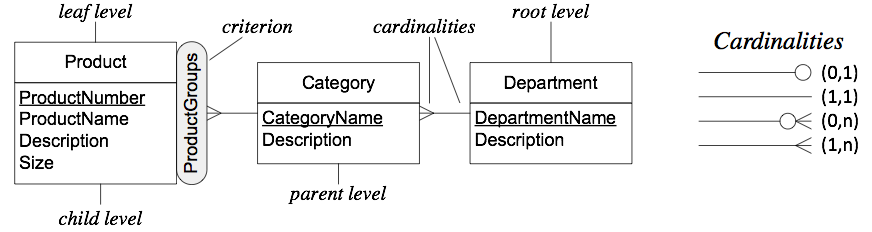
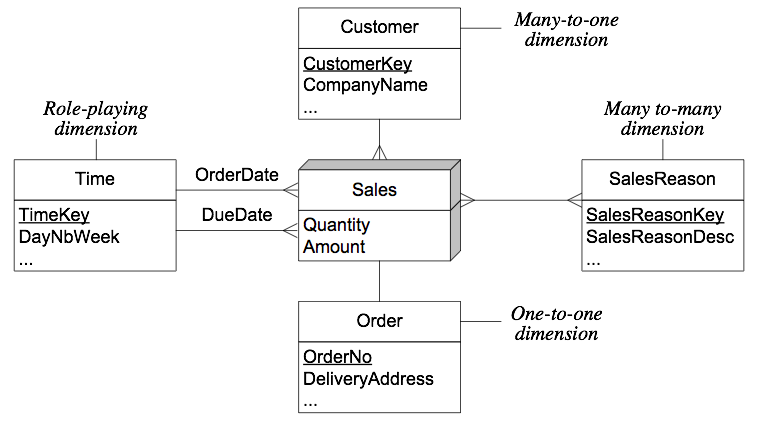
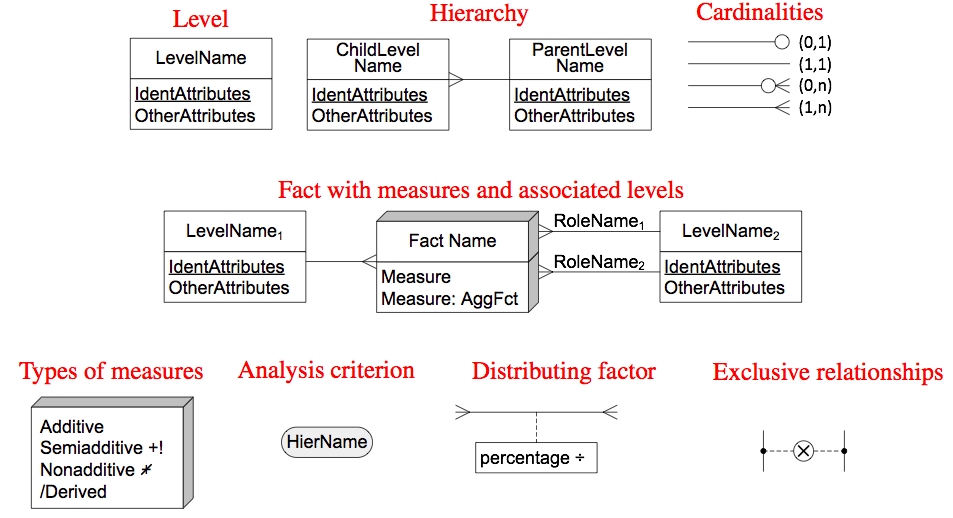
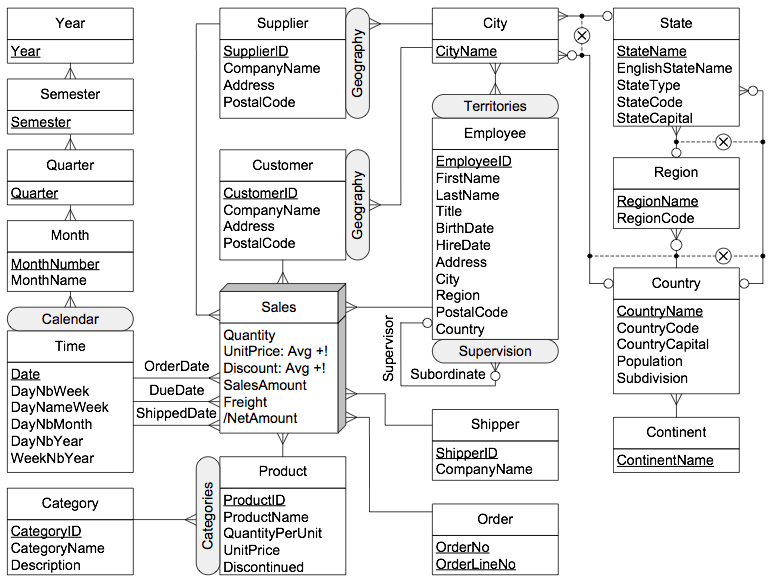
Several proposals based on UML, on the ER model, or using specific notations:
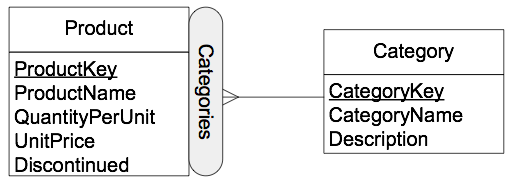
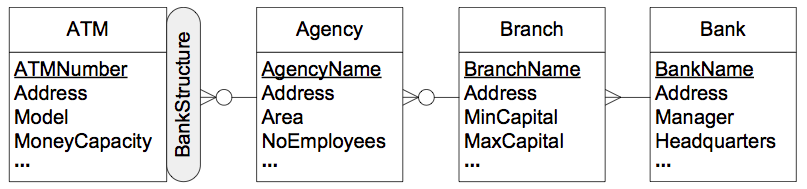
UML (Unified Modeling Language): UML, traditionally used for software design, has been adapted by researchers to model multidimensional concepts. You might see class diagrams used to represent facts, dimensions, and hierarchies.
ER Model Extensions: Some proposals extend the traditional ER model (which focuses on entities and relationships) to incorporate multidimensional specificities like measures, dimensions, Specific Notations: Various academic and industry researchers have proposed their own notations tailored to the uniue characteristics of multidimensional data, often trying to visually represent the concept of a "cube" or its components.
Problems with Current Conceptual Models for Multidimensional Data
Despite these proposals, a universally adopted and truly effective conceptual model for multidimensional data remains elusive, leading to several problems:
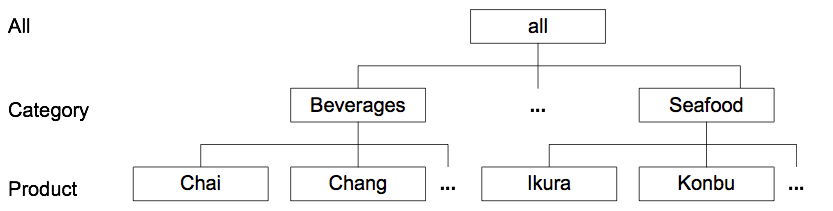
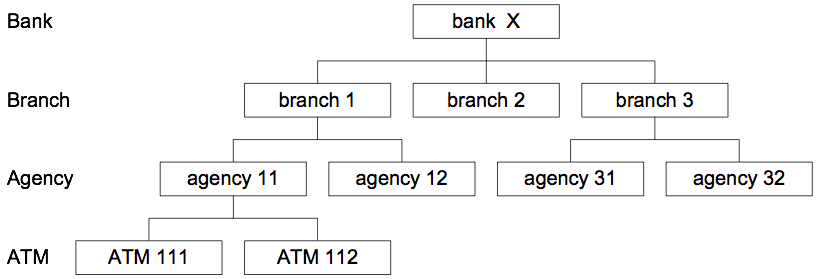
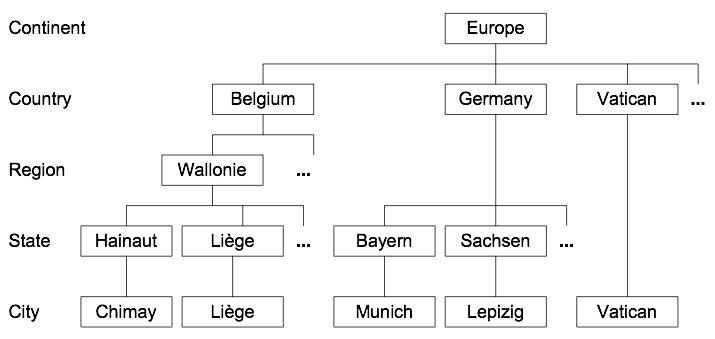
Cannot express complex kinds of hierarchies
Lack of a mapping to the implementation platform:
In essence, while the need for a robust conceptual model for multidimensional data is widely recognized (to facilitate communication, ensure stability, and aid UI design), the solution is still maturing. The uniue characteristics of multidimensional data, especially complex hierarchies, pose significant challenges to creating a simple, yet comprehensive, and platform-agnostic conceptual modeling standard.