Introduction to Spark
Outline
MapReduce Challenges
- Google introduced MapReduce, which was a breakthrough in the history of big data technologies
- It makes the processing of big data feasible and practical
- However, Hadoop MapReduce framework releases the developer from the distributing computing trickiness, its Java API is still too low-level
- Think how would you implement an inner join in MapReduce ?
- Hive, Pig and other frameworks based on MapReduce can help
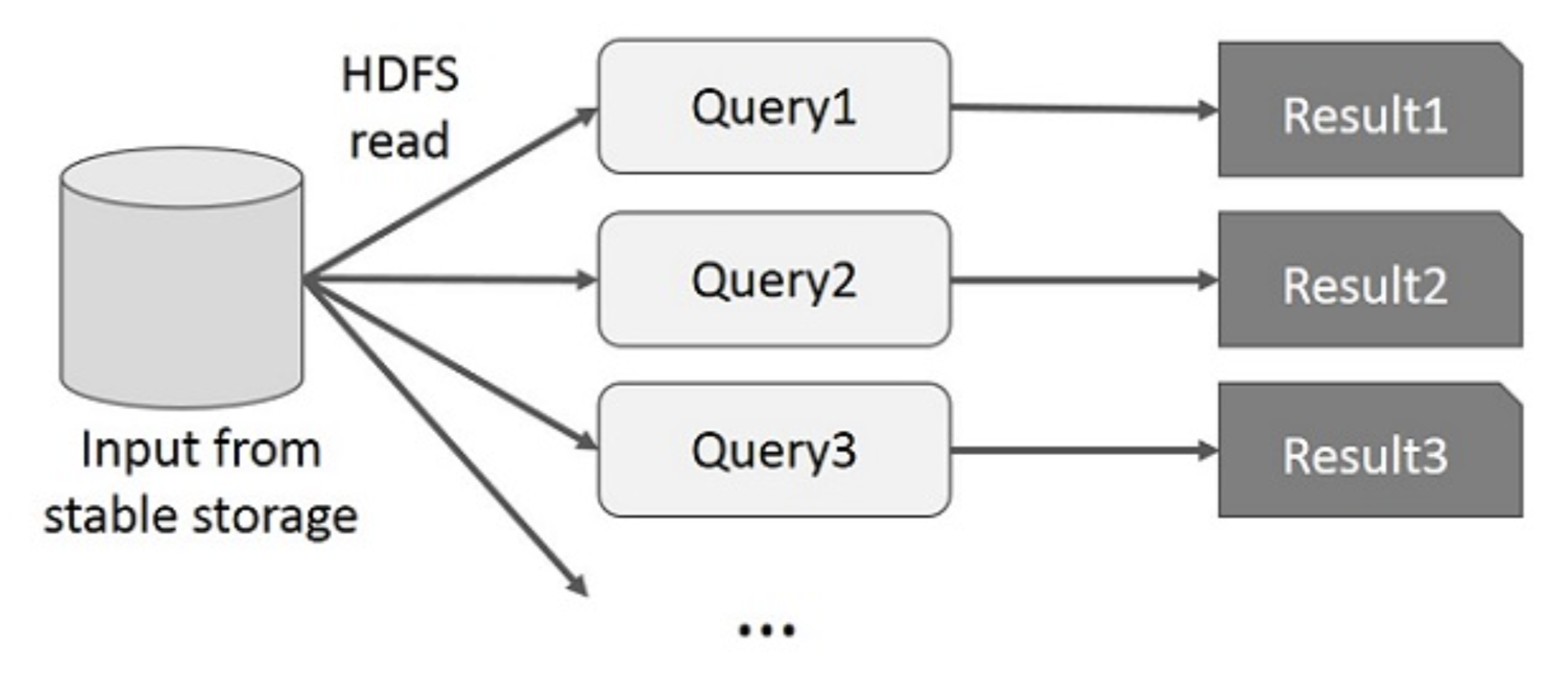
- More importantly, the persistent storage I/O makes the interactive and iterative computation (two important forms of data processing) very inefficient and leads to to potential I/O latency
MapReduce Challenges
- Data Sharing in Hadoop
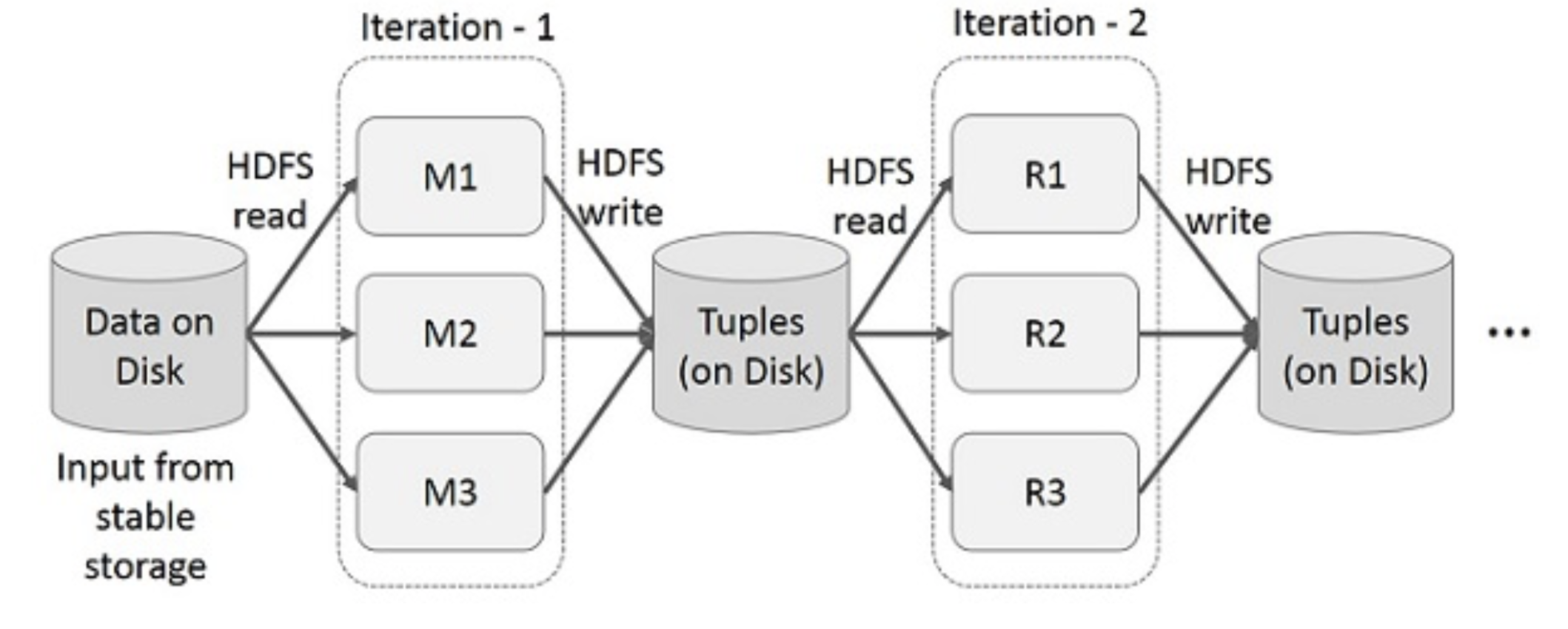
- In the Hadoop MapReduce framework, the reuse data between computations (e.g., between two MapReduce jobs) is to write it to an external stable storage system, for example HDFS)
- Although Hadoop provides numerous abstractions for data access, data sharing is slow due to replication, serialisation and persistent storage IO
- More than 90% of the time for running a MapReduce job is doing HDFS read-write operations
- Substantial overhead is caused by data replication, persistent storage I/O, and serialization
Introduction to Spark
Outline
Meet Spark !
- Apache Spark, as a cluster computing platform, is designed to be fast and general-purpose
- On the speed, Spark extends the MapReduce model to efficient support more types of computations, for example, interactive and iterative computations
- This is mainly due to Spark's in-memory computing, although Spark is also more efficient than MapReduce for persistent storage complex applications
- On the generality, Spark covers a wide ranges of workloads, including batch applications, iterative queries, streaming and advanced analytics
- It provides a unified environment makes the combination of those different engines easy and inexpensive
- It provides multiple language APIs, including Scala, Python, Java, SQL, and R, as well as a very rich (yet fast-growing) built-in libraries
Meet Spark !
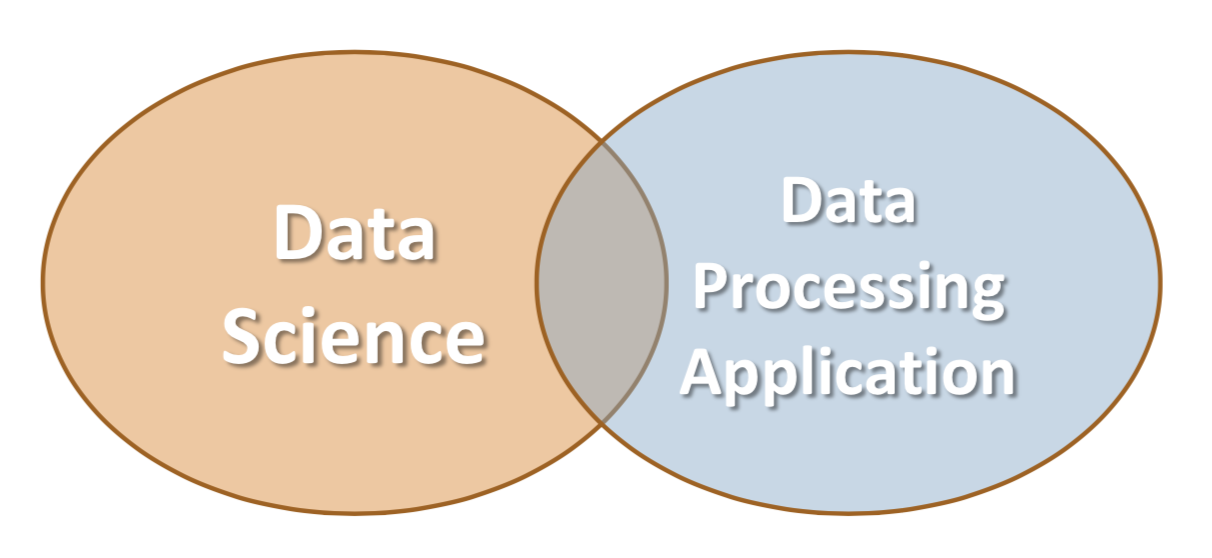
- Data Scientists use Spark to:
- Analyse and model data
- Make prediction based on data
- Build data pipelines to fulfil certain tasks
- Data Engineers use Spark to:
- Develop data processing applications
- Deploy the output of data scientists in production
-
Introduction to Spark
Outline
Features of Spark
- As mentioned, Spark supports not only batch computing (as MapReduce does) but also interactive, iterative, and real-time computing
- The main feature of Spark is its in-memory cluster computing that increases the processing speed of an application
- The programming model of Spark is based on Directed Acyclic Graphs (DAG) and it is more flexible than the MapReduce model
- Unlike MapReduce, Spark has built-in high-level APIs to process structured data, e.g., tables in Hive
- Spark reduces the management burden of maintaining separate tools
Features of Spark
- Speed
Spark helps to run an application in Hadoop cluster, up to 100 times faster in memory, and 10 times faster when running on disk
- This is achieved by reducing number of read/write operations to persistent storage
- It stores the intermediate processing data in memory
- Support for multiple languages Spark provides built-in APIs in Java, Scala, or Python
- Advanced Analytics Spark not only supports MapReduce It also supports SQL queries, Streaming data, Machine Learning (ML), and Graph algorithms
Introduction to Spark
Outline
Spark Architecture
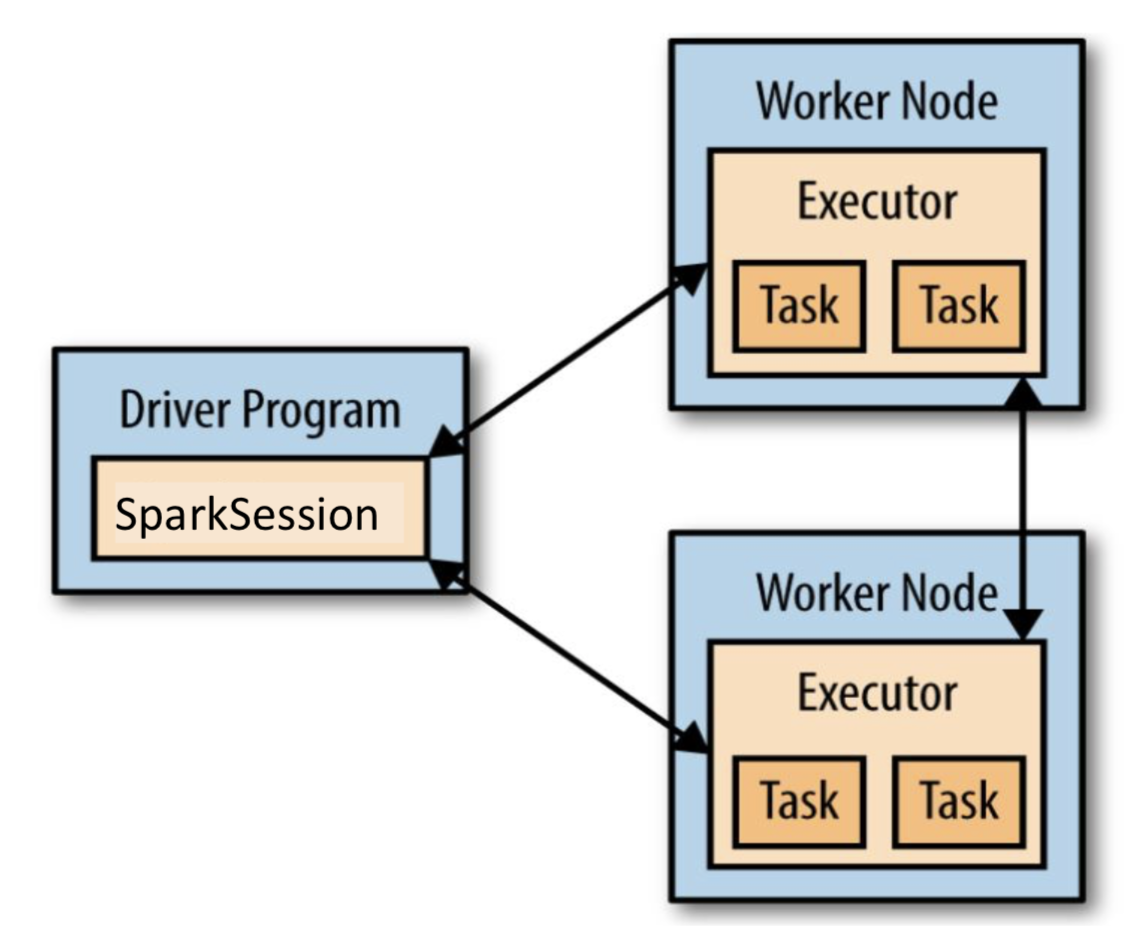
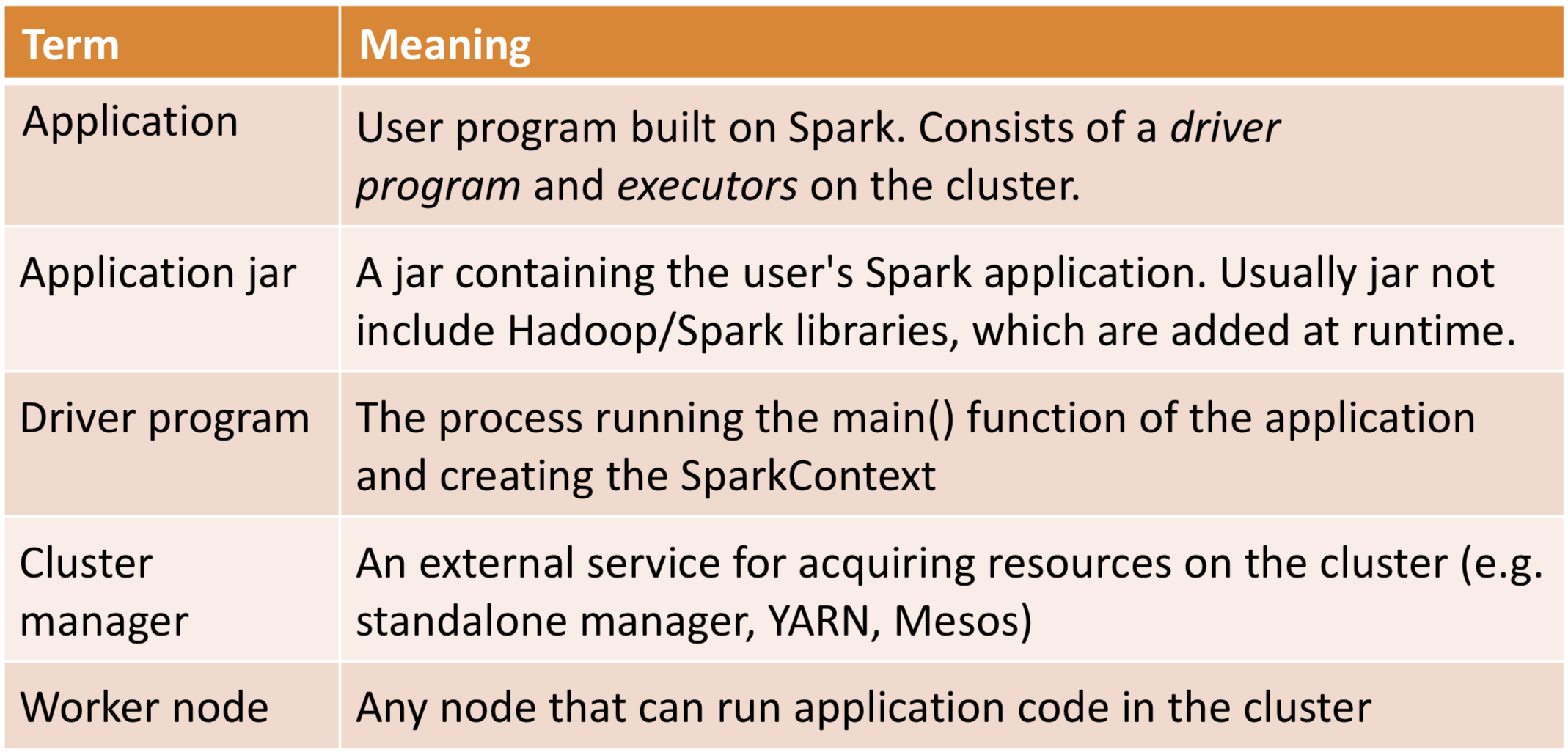
- Driver program is the main Spark application that consists of the data processing logic
- Executor is a JVM process that runs on each worker node and processes the jobs that the driver program submits
- Task is a subcomponent of a data processing job
Spark Architecture
- Two modes of Building Spark on Hadoop
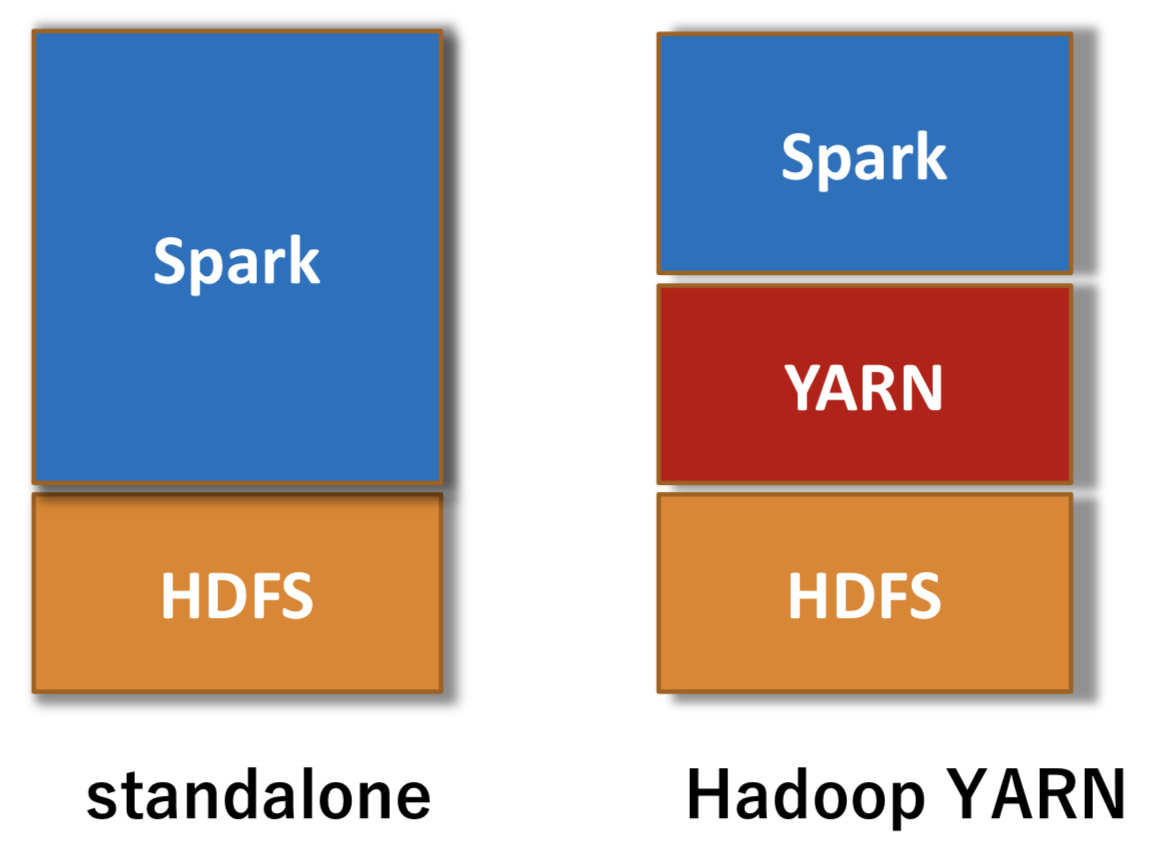
- These modes are different from full-distributed mode and pseudo-distributed mode
Spark Architecture
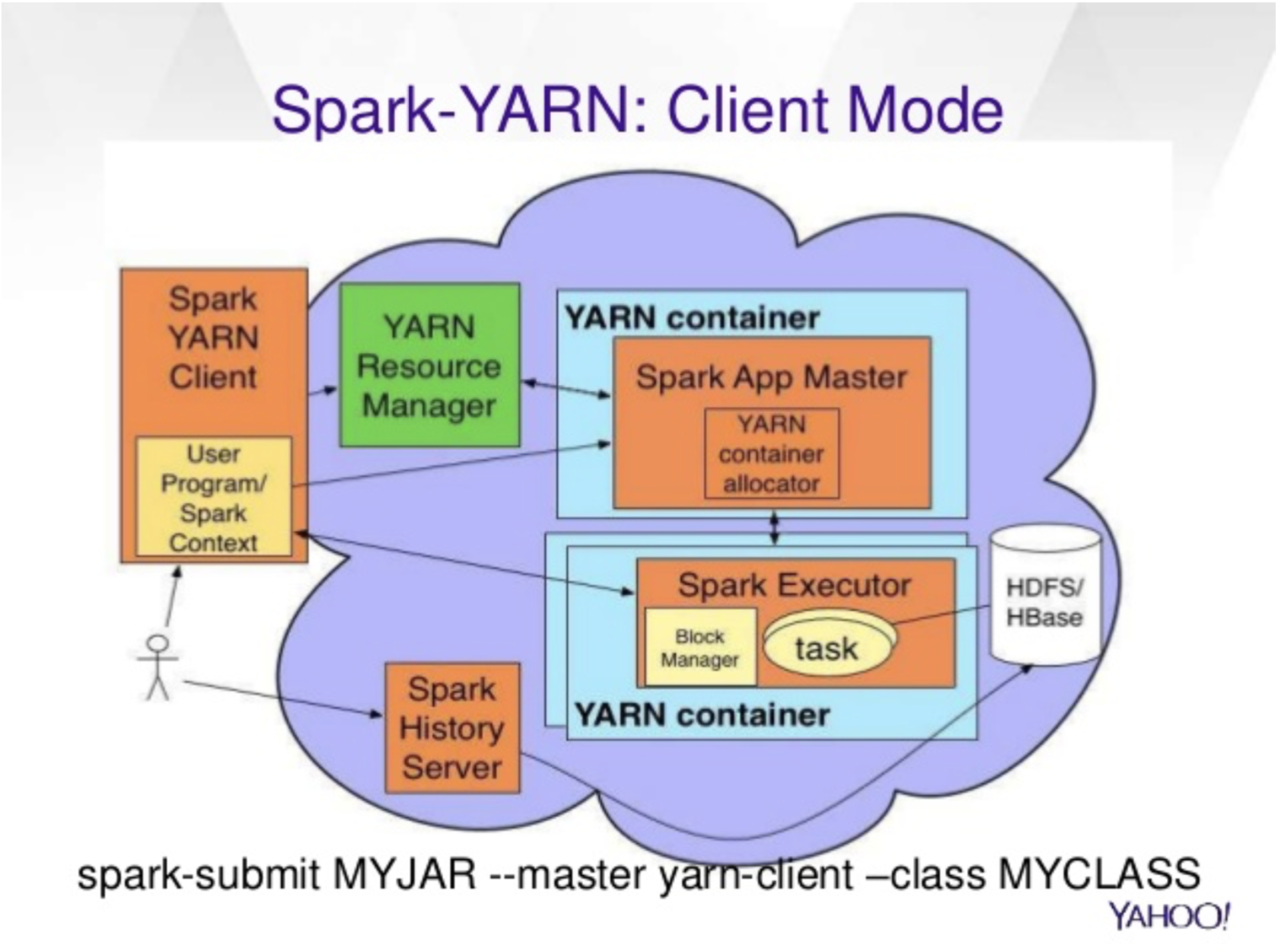
- Spark on YARN: Client-Mode
Spark Architecture
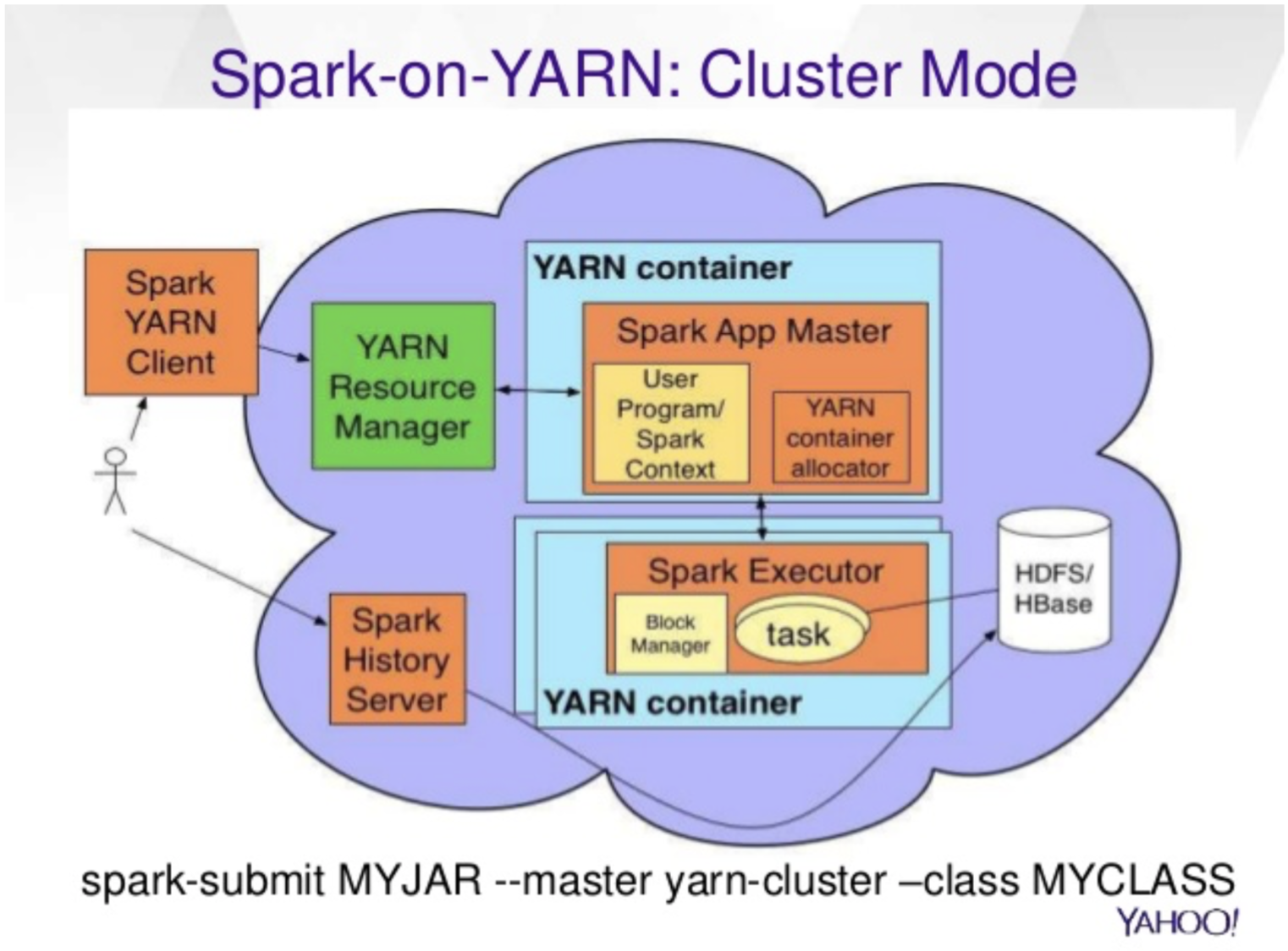
- Spark on YARN: Cluster-Mode
Spark Architecture
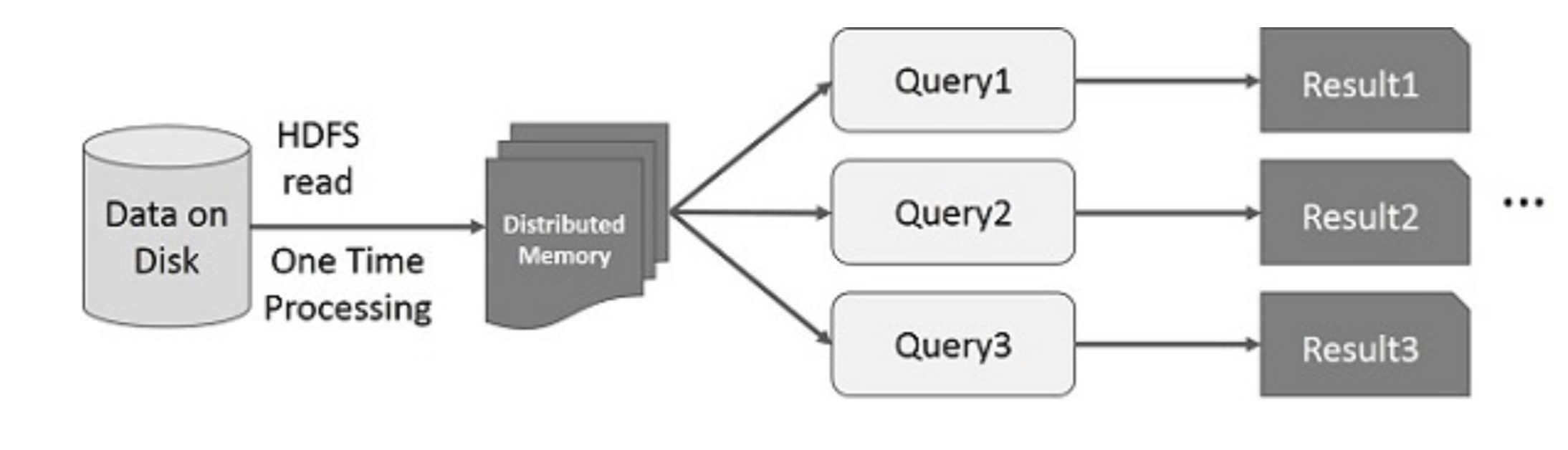
- Writing to and reading from memory in Spark reduces I/O overhead
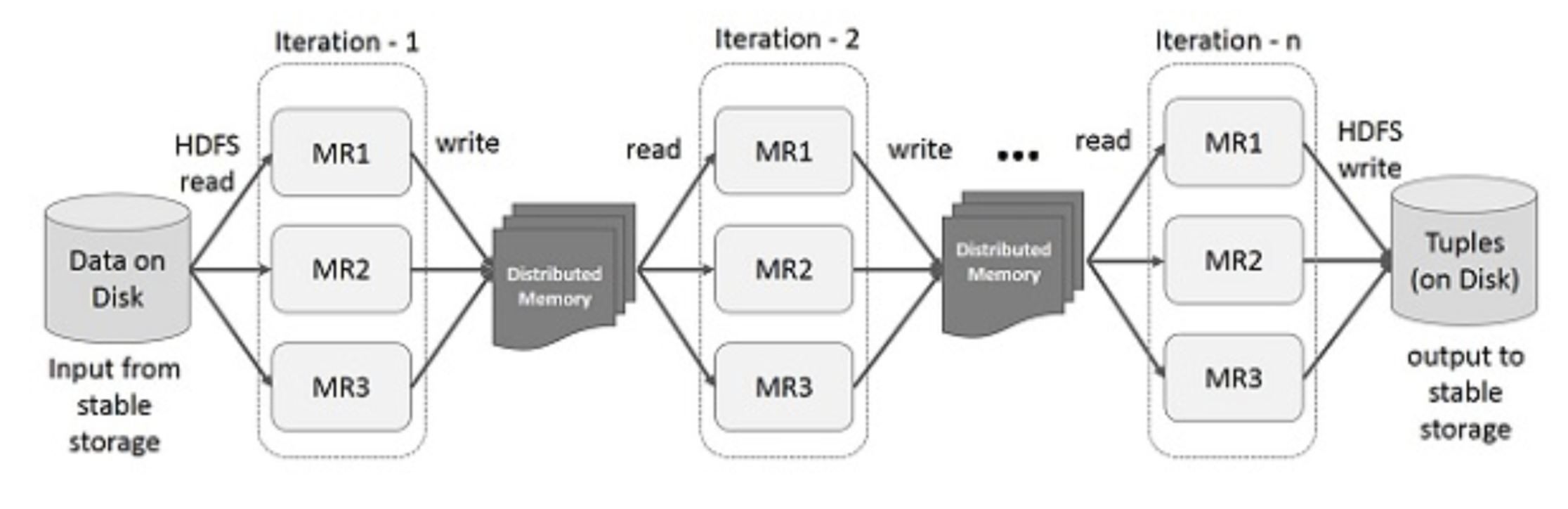
- Data persists in memory and enables fast access
Spark Architecture
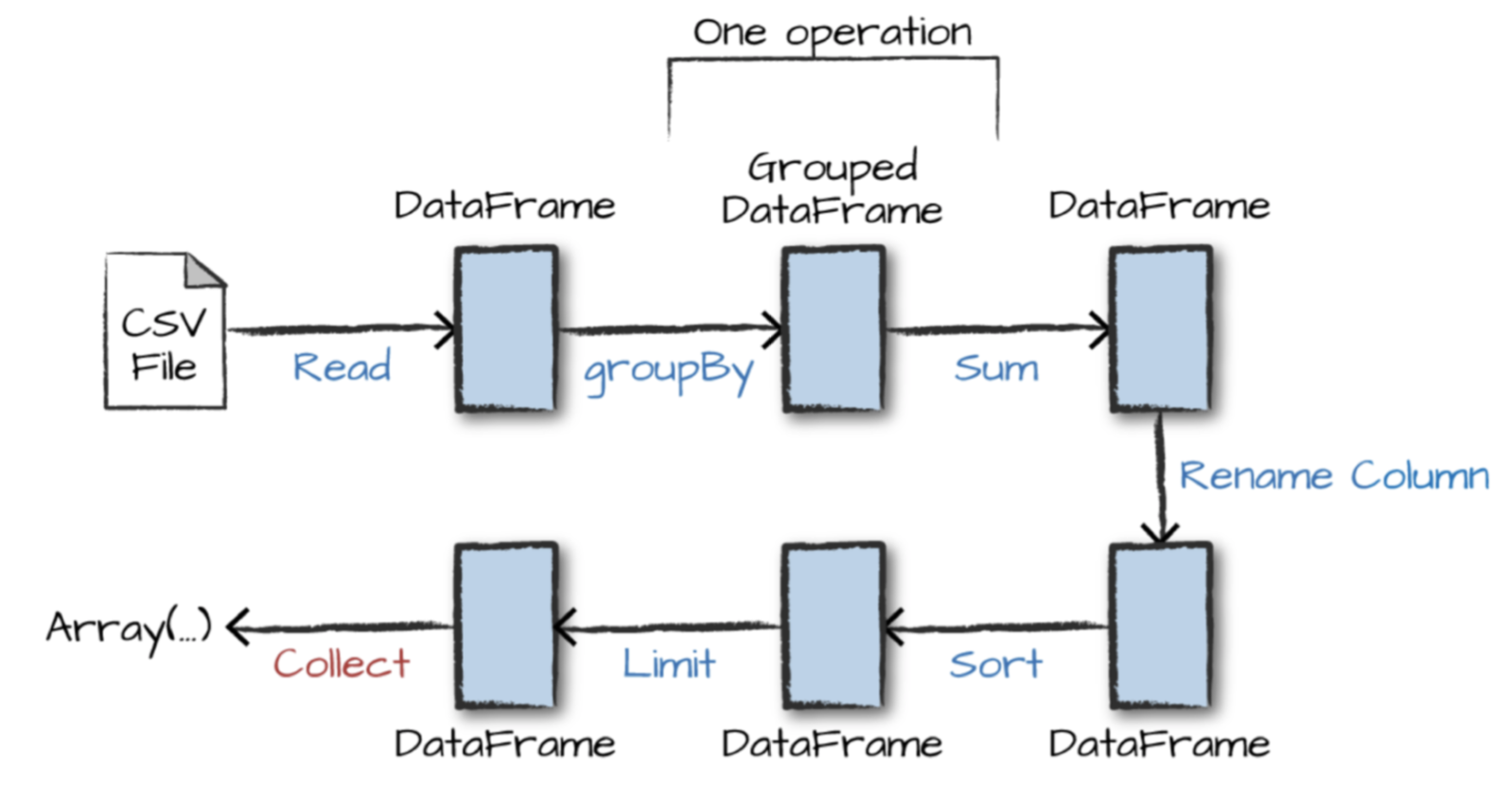
- High-level API of Spark eases the development of a data processing pipeline
- No need to confirm to a specific pattern, for example MapReduce
- Under the hood, Spark determines the best logical plan and translate it to a physical plan
Spark Architecture
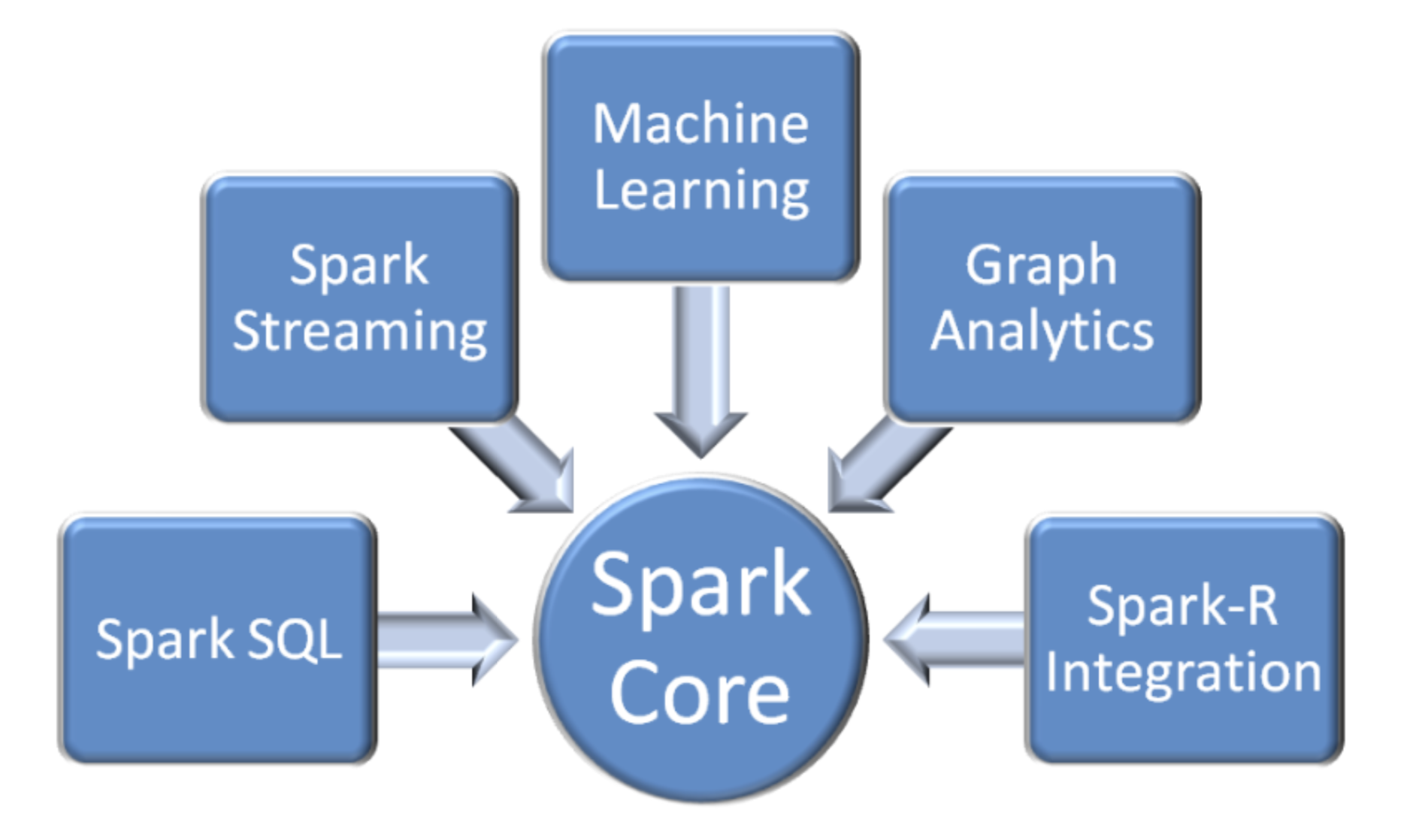
- Components of Spark
Introduction to Spark
Outline
Overview of Spark Components
- Spark Core
- Spark Core is the underlying general execution engine for Spark platform that all other functionality is built upon
- It provides In-Memory computing and referencing datasets in external storage systems
- Spark SQL
- Spark SQL is a component on top of Spark Core that introduces a new data abstraction called SchemaRDD, which provides support for structured and semi-structured data
- Spark Streaming
- Spark Streaming leverages Spark Core fast scheduling capability to perform streaming analytics
Overview of Spark Components
- SparkML
- SparkML is a distributed machine learning framework above Spark because of the distributed memory-based Spark architecture
- GraphX
- GraphX is a distributed graph-processing framework on top of Spark
- It provides an API for expressing graph computation and provides an optimized runtime for this abstraction
- SparkR
- SparkR is an R package that provides a light-weight frontend to use Spark from R
Introduction to Spark
Outline
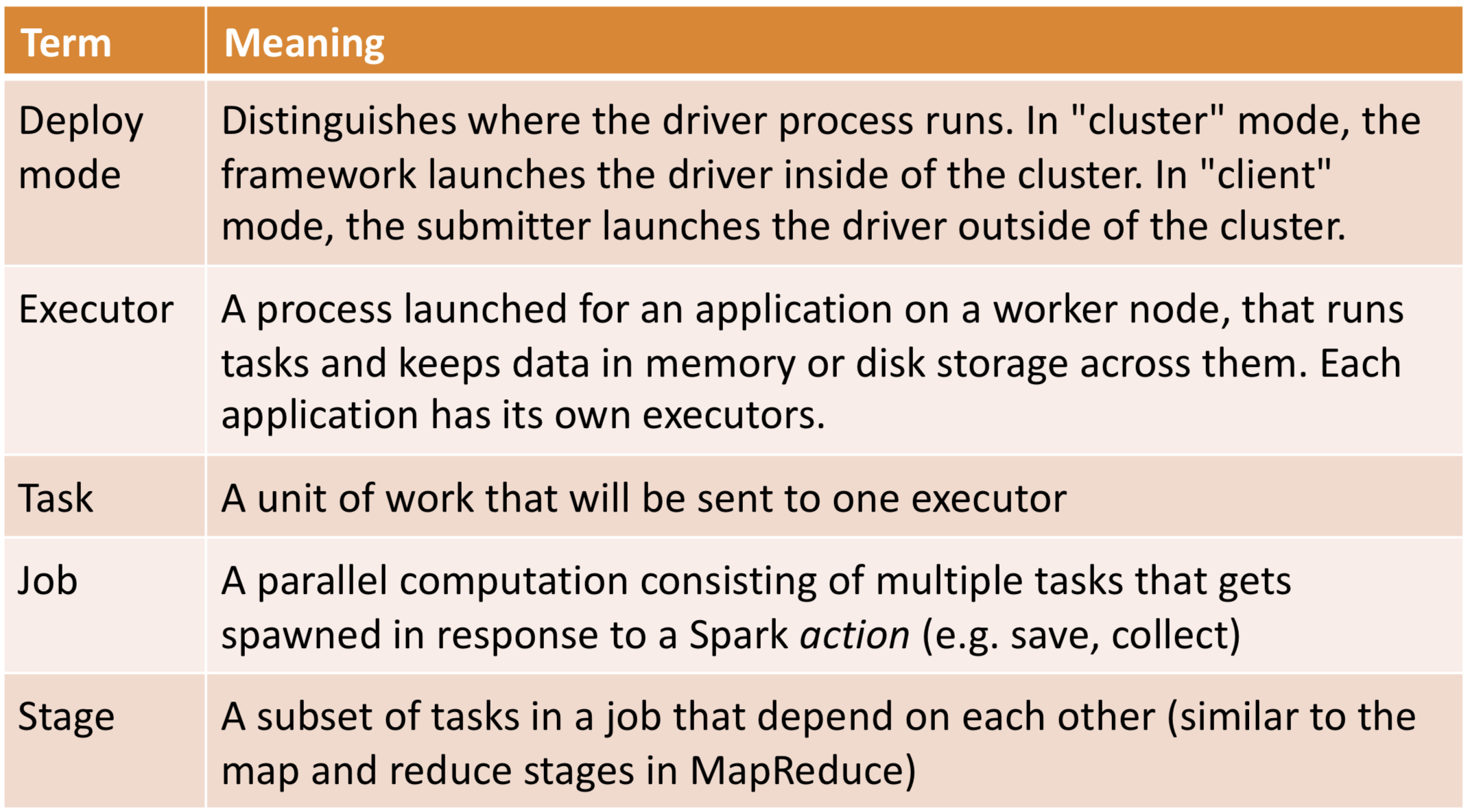
Spark Glossary
Spark Glossary
References
- A Gentle Introduction to Spark, Databricks, (Available in READINGS folder)
- Spark Overview
- Karau H., Fast data processing with Spark Packt Publishing, 2013 (Available from UOW Library)
- Srinivasa, K.G., Guide to High Performance Distributed Computing: Case Studies with Hadoop, Scalding and SparkSpringer, 2015 (Available from UOW Library)
- Chambers B., Zaharia M.,Spark: The Definitive Guide, O'Reilly 2017